
What Is A Bad Influencer?
Have you ever asked, what is a bad influencer? A bad influencer is someone who looks popular online but actually misleads brands and followers. They might use fake followers, lie about product results, or act in a way that hurts your business. Knowing what a bad influencer is can save you money and protect your brand’s good name. We’ve seen how one wrong partnership can cause big problems and how smart vetting stops them before they start.
Why Should You Care?
A bad influencer doesn’t just waste your ad budget. They can:
- Lower trust in your products
- Attract angry comments from real followers
- Get your brand flagged by platforms
- Bring zero real sales
That’s why you need to recognize the red flags early.
Who Is the Bad Influencer?
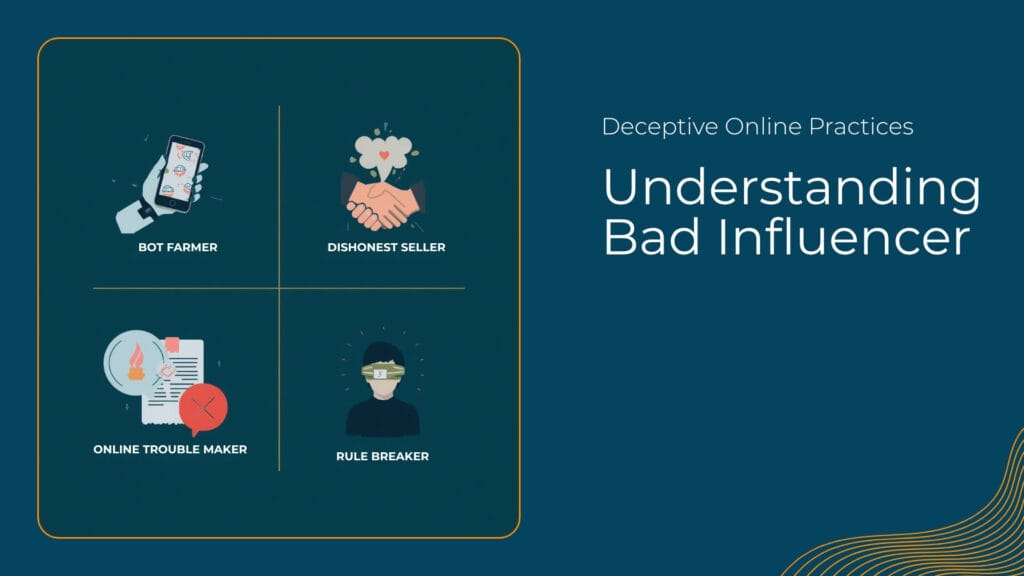
Here’s the Who Is the Bad Influencer? section turned into an easy‑to‑read table:
| Bad Influencer Type | What They Do & Why They’re Risky |
|---|---|
| The Bot Farmer | Buys thousands of fake followers and bought engagement. Their audience is mostly empty numbers — not real buyers. Your money reaches bots, not people. |
| The Dishonest Seller | Promotes any product for cash, often sharing misleading content. Their reviews can’t be trusted, and their credibility is zero. |
| The Online Troublemaker | A toxic influencer who bullies, shares hate, or causes drama. Partnering with them destroys your brand safety instantly. |
| The Rule Breaker | Hides paid partnerships and skips legally required disclosures. This scam influencer puts your brand at direct legal risk. |
Knowing exactly who the bad influencer is helps you avoid picking a partner that looks good on the outside but is dangerous on the inside.
Clear Signs You’re Looking at a Bad Influencer
Not all influencers who seem big are good partners. Here are the top warning signs our team sees again and again.
1. Fake Followers and Bought Engagement
Some accounts buy followers to look famous. These followers are often bots or inactive accounts. You can spot them when an influencer has:
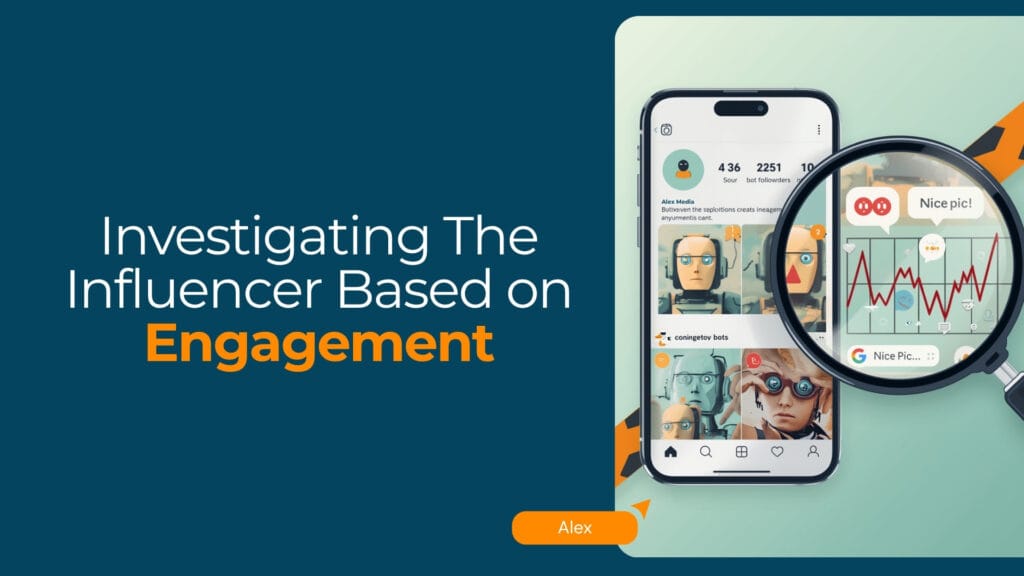
- Thousands of followers but only a handful of likes or comments
- Comments that are generic, like “Nice pic!” or just emojis
- Sudden follower spikes with no viral content to explain it
Real influence comes from real people, not bought engagement. Always check the engagement rate and the percentage of followers who actually interact with posts. A very low rate is a huge warning.
2. Dishonest Endorsements
A bad influencer will say anything for a paycheck. You’ll see them promote weight‑loss tea one day and a detox diet the next, never showing actual use. This dishonest endorsement style breaks trust. Followers stop believing, and your brand gets linked to misleading content.
3. Toxic or Trouble‑Making Behavior
Sometimes the person behind the account is the problem. If an influencer bullies others, shares hateful content, or gets into public fights, they’re a toxic influencer. Partnering with them can make your brand look like you support bad behavior. Brand safety matters more than follower count.
4. No Real Expertise or Credibility
A good influencer has knowledge in their niche. A bad influencer pretends. They post low‑effort content, give wrong advice, and can’t answer basic questions about your product. Without influencer credibility, they won’t convince anyone to buy.
5. Refuses to Follow Rules
In the U.S., influencers must tell followers when a post is paid. The Federal Trade Commission has clear endorsement guidelines. A bad influencer hides ads, uses tiny unclear labels, or skips disclosures altogether. That puts your brand at legal risk.
How a Bad Influencer Hurts Your Business
Even one wrong pick can cause lasting damage.
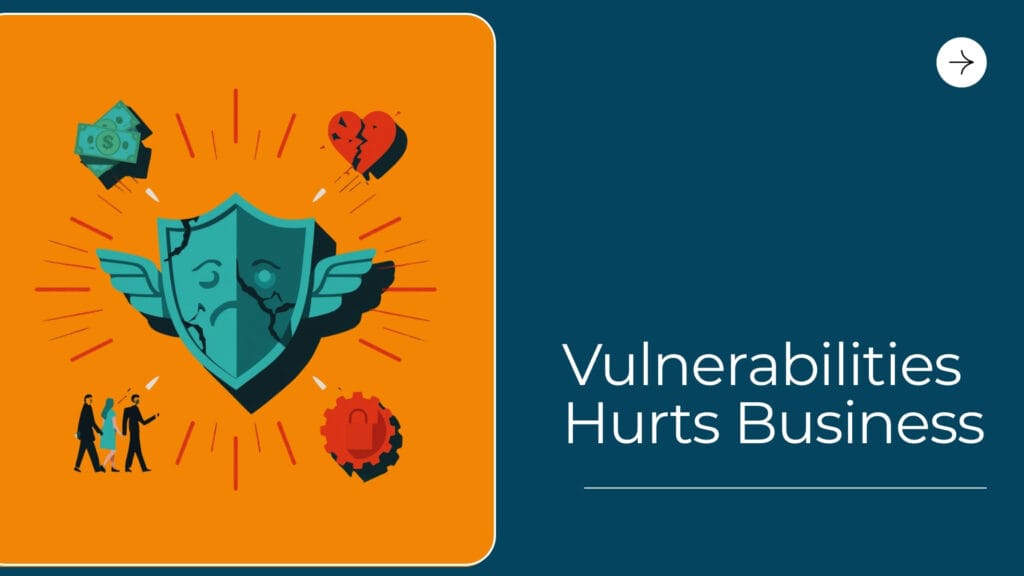
- Wasted money: You pay for posts that reach fake accounts.
- Reputation damage: Customers see you as fake or scammy.
- Lost opportunities: Real influencers may avoid partnering with a brand tied to fraud.
- Algorithm penalties: Social platforms may reduce your reach if you’re associated with influencer fraud.
“Trust comes on foot and leaves on horseback, and we could very quickly see the whole influencer space being undermined. There are lots of great influencers out there, but there are a few bad apples spoiling the barrel and the trouble is, everyone goes down once the trust is undermined.”
— Keith Weed, Former CMO of Unilever
We call these partnership risks, and they’re completely avoidable.
How to Spot and Avoid Bad Influencers
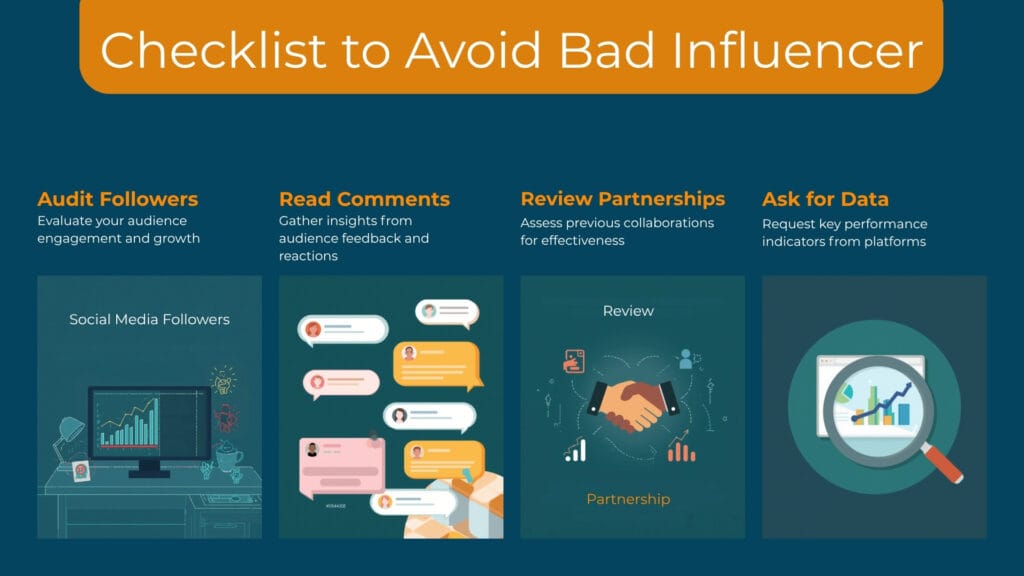
Protecting your brand is simpler than it sounds. Follow this quick checklist before you sign any deal.
- Audit their followers: Use a free tool or our influencer vetting service to check for bots.
- Read beyond the likes: Look at comments. Are real people asking real questions?
- Review their past partnerships: Did they stick with brands or jump around weekly?
- Ask for performance data: A reliable influencer will share screenshots of insights.
- Check for consistent disclosure: Every sponsored post must be clearly labeled.
For a deeper guide, read our blog library is full of free resources to keep your influencer campaigns safe.
Real Experience, Real Protection
At Trusted IMA, we’re analyzing influencer accounts. Our hands‑on experience has taught us that influencer fraud is more common than most brands think. That’s why we built services that go beyond surface numbers. We dive into follower authenticity, audience quality, and behavioral patterns. When we see a scam influencer, we tell you upfront. No sugar‑coating.
Trust isn’t just a buzzword for us. It’s the foundation of every recommendation we make. We want your influencer partnerships to feel as reliable as a handshake backed by data you can see.
Quick Takeaways
- A bad influencer relies on fake followers, not real trust.
- Look for low engagement, fake comments, and sudden growth.
- Dishonest endorsements and toxic behavior are deal‑breakers.
- Always insist on clear ad disclosures.
- Vetting removes the guesswork and protects your budget.
The next time you wonder what a bad influencer is, come back to these signals. Once you know what to look for, the fakes stand out immediately.
FAQs About What is a bad influencer
What is the difference between a fake influencer and a bad influencer?
A fake influencer buys almost all of their audience. A bad influencer may have some real followers but still hurts your brand through dishonesty, poor behavior, or hiding ads. Both are risky.
How can I spot a bad influencer before hiring them?
Look at engagement quality, check for disclosure habits, and run a follower audit. If the comments sound robotic or the audience grew overnight, take it as a red flag.
Why do fake followers hurt my brand?
Fake followers don’t buy anything. When you pay to reach them, you get zero return. Plus, platforms may reduce your organic reach, and real customers sense something isn’t genuine.
Can a bad influencer be fixed?
Sometimes coaching helps, but more often the best choice is to walk away. A pattern of dishonesty or toxic actions rarely changes just because you offer feedback. Protect your brand first.
How does Trusted IMA help avoid bad influencers?
We use in‑depth audits, engagement analysis, and market experience to spot fraud before you pay a cent. Our team flags fake followers, risky past content, and disclosure problems so you can partner with confidence.
What makes a Bad Influencer?
A bad influencer is caused by dishonesty, fake popularity, and a lack of regard for their audience or the law. They gain success through tricks, not real trust, and they damage any brand that works with them.
What is an example of a bad influence?
A clear example is an influencer who promotes a skincare product, for example, while hiding the fact they never used it. Their post gets thousands of likes from bought bots, but real followers see no actual results. This creates a bad influence example that spreads misinformation and wastes the brand’s money.
What Is the Meaning of Bad Influencer?
When we talk about the meaning of a bad influencer, we mean a person who:
- Uses deception to appear more popular
- Makes dishonest endorsements that fool consumers
- Ignores the rules that keep advertising fair and transparent
- Prioritizes their own quick payment over your brand’s long‑term health
Simply put, the meaning of a bad influencer is a partner who damages your reputation instead of building it.